

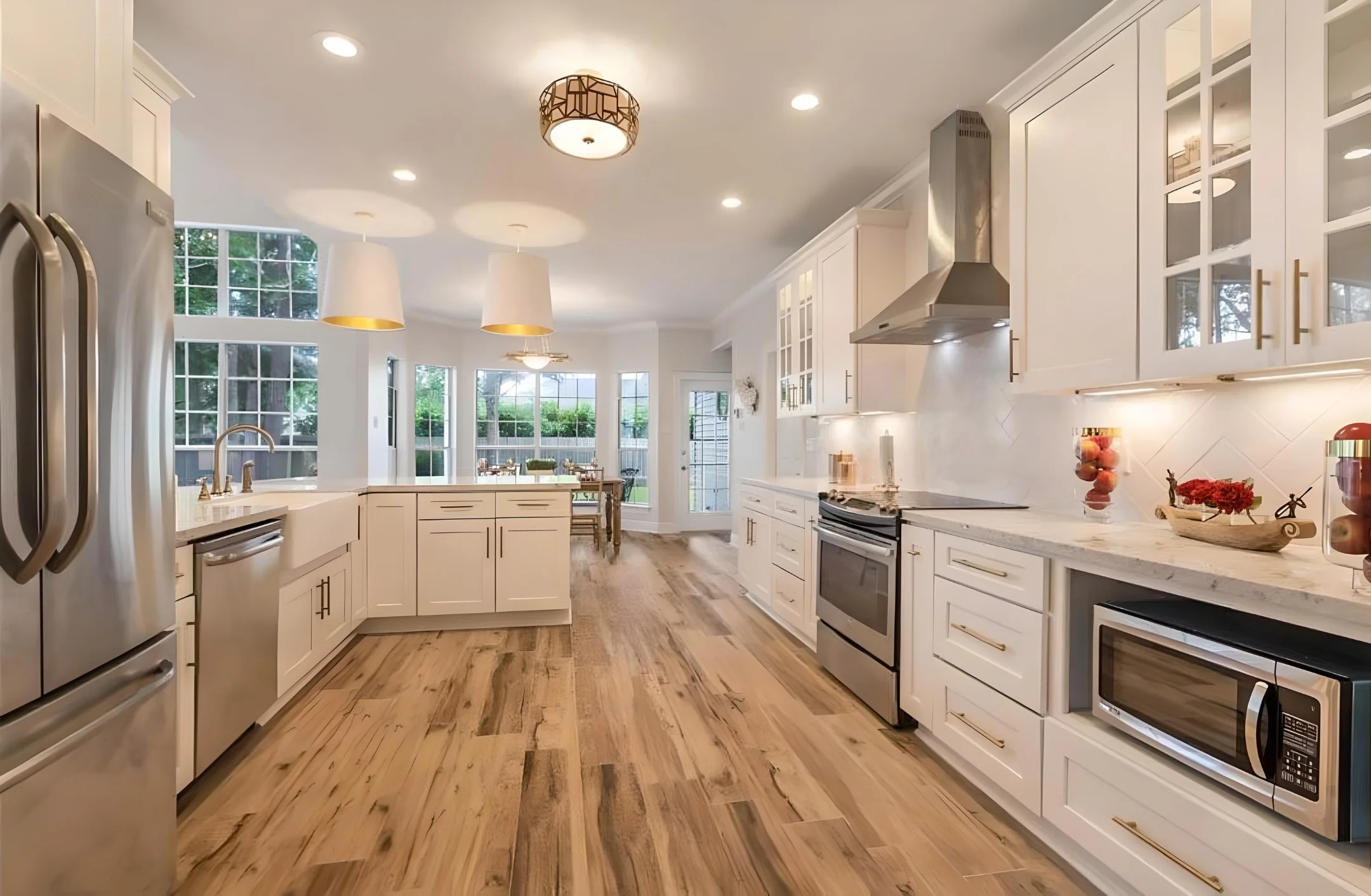
Why the Kitchen Defines the Flow and Identity of a Home
The Kitchen is one of the most influential spaces in any household. It shapes daily routines, encourages healthier habits, and becomes a central hub for conversation, preparation, creativity, and connection. Many homeowners rely on a well planned Kitchen to balance efficiency with comfort, making it a space where practical tasks and personal memories naturally coexist. Because it carries such emotional and functional weight, designing a kitchen requires more than choosing appliances or finishes. It demands thoughtful strategy, long term planning, and a deep understanding of how people move within and use the space.
The modern kitchen operates as a multifunctional environment. It must support cooking, storage, workflow optimization, cleaning, and sometimes even working, dining, or hosting. Strong design choices contribute to smoother movement, reduced stress, and a more enjoyable atmosphere for everyone who enters.
Establishing Core Foundations Before Designing a Kitchen
Before picking colors, cabinets, or fixtures, the essential structure of the kitchen must be established for long term success.
Evaluating Spatial Dimensions and Traffic Flow
Every kitchen needs a steady rhythm that supports natural, uninterrupted movement. Whether the layout is open concept, galley, L shaped, U shaped, or island centered, understanding how people circulate through the room prevents congestion and inefficiency.
Important considerations include:
- Ensuring wide walkways for safe and smooth movement
- Creating unobstructed pathways between cooking, cleaning, and storage zones
- Avoiding major appliances placed directly behind one another
- Positioning the kitchen in relation to dining areas for easy food transfer
A well planned traffic flow allows multiple users to work comfortably without collisions.
Defining the Primary Purpose of the Kitchen
The primary role of the kitchen may vary. Some households cook multiple meals daily, while others need a more social or entertainment friendly layout. Clearly defining how the space will be used influences every detail, from appliance size to cabinet arrangement.
Common purpose driven needs include:
- High capacity cooking areas for frequent meal preparation
- Extra storage for bulk shopping families
- A unified space that doubles as a hosting zone
- Minimal maintenance surfaces for busy households
- Aesthetically driven designs for those who value visual harmony
Identifying needs early helps prevent expensive adjustments later.
Understanding the Working Triangle and Work Zones
The work triangle refers to the strategic placement of the stove, sink, and refrigerator. An optimal triangle minimizes steps between these three points while providing enough space to perform each task comfortably.
In modern design, many kitchens use a work zone model instead, dividing the kitchen into distinct activity zones such as:
- Prep zone
- Cooking zone
- Cleaning zone
- Baking zone
- Food storage zone
- Utility or appliance zone
Both methods reduce travel distance and increase efficiency.
Structuring Layouts for Maximum Functionality
The kitchen layout determines ease of use, storage capacity, and long term satisfaction.
U Shaped Layout
This design maximizes counter space and storage. It works well for serious cooks who need multiple prep surfaces.
L Shaped Layout
Great for open concept homes, the L shape creates an intuitive flow while allowing space for dining or a small island.
Galley Layout
Ideal for compact homes. A galley kitchen can be highly efficient when storage and appliances are aligned strategically.
Island Based Layout
Islands add workspace, seating, and storage. They support cooking, entertaining, and family interaction.
Peninsula Layout
A peninsula offers the benefits of an island without requiring additional floor space. It is useful for kitchens with limited area.
Choosing Materials That Support Durability and Aesthetic Appeal
Material decisions influence maintenance, longevity, and overall atmosphere.
Countertop Materials
Countertops must withstand heat, moisture, and food preparation activities. Popular durable choices include:
- Natural or engineered stone for timeless appeal
- Solid surface for easy maintenance
- Butcher block for warmth and cutting convenience
- Stainless steel for professional style performance
Cabinet Materials and Finishes
Cabinetry defines the identity of the kitchen and provides essential storage. Quality materials ensure long term performance.
Key cabinet considerations include:
- Solid wood fronts for strength
- Plywood boxes for moisture resistance
- Soft close hinges to reduce wear
- Matte finishes to minimize fingerprints
- High gloss finishes to reflect more light in smaller kitchens
Flooring Materials
Kitchen floors endure spills, heat, movement, and dropped utensils.
Common flooring options include:
- Porcelain tile for water resistance
- Natural stone for luxury
- Engineered wood for warmth and stability
- High quality vinyl for comfort and cost effectiveness
Incorporating Lighting That Elevates Function and Comfort
Lighting plays a crucial role in kitchen performance. Proper illumination ensures safety and enhances visual appeal.
Layers of Effective Kitchen Lighting
A strong lighting plan includes three essential layers:
- Ambient lighting for general visibility
- Task lighting for chopping, mixing, and reading recipes
- Accent lighting to highlight architectural or decorative features
Placement of Task Lighting
Under cabinet lighting prevents shadows and illuminates prep surfaces. Pendant lights over islands create both functional and aesthetic impact.
Choosing Light Temperature
Warm light enhances comfort during dining, while cooler light improves clarity during cooking.
Storage and Organization Systems That Maximize Every Inch
A kitchen’s usability depends heavily on accessible and well planned storage.
Utilizing Vertical Storage
Tall cabinets, overhead shelving, and stacked storage make full use of available wall height.
Incorporating Pullouts and Internal Organizers
Pullout drawers and organizers help eliminate deep cabinet frustrations. Examples include:
- Pullout spice racks
- Tray dividers
- Corner carousels
- Soft close deep drawers for pots and pans
Hidden Storage
Built in storage behind panels, under islands, or above refrigerators adds capacity without visual clutter.
Appliances: Functionality, Performance, and Placement
Appliances should support the homeowner’s cooking habits and workflow.
Refrigerator Placement
The refrigerator must be easily accessible during prep. Many kitchens pair it with a nearby landing zone for convenience.
Oven and Range Configuration
Consideration includes ventilation, burner power, and safety. Double ovens or wall ovens benefit homes with frequent baking.
Dishwashers and Sinks
Dishwashers should sit adjacent to the sink for efficient loading. Deep sinks prevent splashing and improve cleaning comfort.
Small Appliances
Designating a dedicated appliance zone prevents clutter on counters.
Ventilation: The Overlooked Yet Essential Element
Good ventilation improves air quality, eliminates odors, and preserves cabinetry.
Types of Ventilation
- Wall mounted hoods
- Under cabinet hoods
- Ceiling mounted hoods
- Downdraft ventilation
Proper sizing ensures that cooking fumes are removed effectively.
Designing a Visually Cohesive Kitchen
A visually pleasing kitchen relies on harmony between materials, colors, and proportions.
Color Palettes
Kitchen color palettes often include:
- Warm neutrals for grounding
- Whites or creams for brightness
- Rich tones that add sophistication
- Subtle contrasts for depth
Cohesive Hardware
Cabinet handles, faucets, and lighting fixtures should complement one another, creating unity across the room.
Backsplash Design
Backsplashes contribute both style and function. They protect walls from splashes while adding texture or pattern.
Creating a Kitchen That Encourages Social Interaction
Modern kitchens often serve as the center of gatherings.
Seating Arrangements
Bar stools, banquettes, or island seating support casual dining.
Open Concepts
Open layouts integrate the kitchen with living areas, improving flow and social engagement.
Serving Zones
Serving counters or beverage stations minimize congestion when hosting.
Maintaining a Healthy and Efficient Kitchen
A well designed kitchen supports wellness and hygiene.
Improving Air Quality
Plants, proper cleaning materials, and ventilation improve indoor air.
Encouraging Healthy Eating
Organizing healthy foods at eye level supports better eating habits.
Reducing Clutter
Regular reorganization and simplified storage reduce daily stress.
FAQs
How can I make a small kitchen feel more spacious?
Use lighter colors, reflective surfaces, open shelving, and compact appliances. Maintaining clear counters prevents visual crowding. Vertical storage also maximizes usable space.
What is the most functional kitchen layout for frequent cooking?
Many homeowners benefit from U shaped or L shaped layouts with an island. These arrangements create efficient work triangles, ample counter space, and optimized flow.
How do I choose the right countertop material for my lifestyle?
Consider daily cooking habits. Households that cook often may want durable and heat resistant materials. If ease of maintenance is the priority, stain resistant engineered surfaces may work best.
How important is hardware selection in kitchen design?
Hardware greatly influences the final impression of the kitchen. The right finishes and shapes help unify cabinets, lighting, and fixtures while improving usability.
What should I prioritize during a kitchen renovation if I am on a budget?
Focus on essential upgrades such as improved storage, updated lighting, and functional appliances. Cosmetic changes like paint, hardware, and backsplash updates also deliver strong impact without high cost.
If you’d like, I can also create advanced guides on kitchen layouts, small kitchen optimization, appliance planning, or modern color palettes.

Comments are closed.