

Bowing basement walls are one of the most serious structural concerns a homeowner can face. In North Dakota, this issue is especially common due to soil composition, moisture cycles, and extreme seasonal weather changes. What may begin as a slight inward curve can gradually evolve into significant structural instability if left untreated.
Understanding the causes of bowing walls in North Dakota homeowners frequently encounter is essential for protecting both safety and property value. Just as important is knowing which repair methods provide lasting stability rather than temporary fixes.
This comprehensive guide explains why basement walls bow, how to recognize early warning signs, and what long term repair solutions are most effective in North Dakota conditions.
What Are Bowing Walls
Bowing walls occur when foundation walls curve or lean inward under external pressure. The movement is typically gradual. Homeowners may first notice small horizontal cracks or subtle wall displacement before visible bowing becomes obvious.
Unlike vertical cracks caused by simple settling, bowing walls often signal significant lateral pressure from surrounding soil. This type of pressure can compromise the structural integrity of the entire home if not properly addressed.
In regions like North Dakota, environmental factors create ideal conditions for this type of stress.
Primary Causes of Bowing Walls in North Dakota
Several interconnected factors contribute to bowing walls that North Dakota homeowners experience.
Expansive Clay Soil
Many areas of North Dakota contain clay rich soil that expands when saturated with water and contracts during dry periods. When soil expands, it pushes forcefully against basement walls. Over time, repeated swelling creates sustained lateral pressure.
Freeze and Thaw Cycles
North Dakota winters are long and harsh. When soil freezes, the moisture within it expands. As temperatures rise and thawing occurs, the soil contracts. This cycle repeats annually, placing ongoing stress on foundation walls.
Hydrostatic Pressure
Spring snow melt and heavy rain increase groundwater levels. Saturated soil builds hydrostatic pressure against foundation walls. If drainage systems are insufficient, this pressure intensifies and can force walls inward.
Poor Drainage and Grading
Improper yard grading or clogged gutters can direct water toward the foundation rather than away from it. Persistent moisture increases soil weight and pressure against basement walls.
Inadequate Original Construction
In some older homes, basement walls may not have been reinforced to withstand long term soil pressure. Thin concrete walls without adequate steel reinforcement are more susceptible to bowing.
These combined factors make bowed walls in North Dakota a frequent concern for homeowners throughout the state.
Warning Signs of Structural Movement
Early detection is critical. The sooner bowing is identified, the more manageable the repair process becomes.
Watch for the following signs:
- Horizontal cracks along basement walls
• Walls that appear curved or bulging inward
• Gaps between the wall and ceiling
• Stair step cracks in masonry
• Doors and windows that stick or misalign
• Water seepage through foundation cracks
Horizontal cracking is particularly concerning because it often indicates lateral soil pressure rather than simple settling.
If you notice these symptoms, professional evaluation should not be delayed.
Why Bowing Walls Should Not Be Ignored
Ignoring structural movement can lead to severe consequences.
As pressure continues, cracks may widen. Wall sections can weaken significantly, increasing the risk of partial collapse. Structural instability can also affect upper floors, leading to uneven surfaces and compromised framing.
Additionally, cracks allow moisture to enter the basement. Persistent dampness can promote mold growth and damage stored belongings.
Addressing bowing walls North Dakota homeowners face is not only about preserving structural integrity but also about protecting indoor air quality and long term property value.
Long Term Repair Solutions for Bowing Walls
Effective repair strategies focus on stabilizing the wall and counteracting external soil pressure. The best solution depends on the severity of movement and soil conditions.
Wall Anchor Systems
Wall anchors are one of the most common and reliable repair methods. Steel plates are installed inside the basement wall and connected to anchors embedded in stable soil outside the foundation. The system gradually pulls the wall back toward its original position while preventing further inward movement.
This method is particularly effective for moderate bowing where excavation can be performed around the foundation.
Carbon Fiber Reinforcement
For walls showing early signs of bowing or minor inward movement, carbon fiber reinforcement strips can be applied to the interior surface. These high strength materials bond to the concrete and prevent additional flexing.
Carbon fiber systems do not typically straighten walls but are effective in halting further movement.
Steel Beam Supports
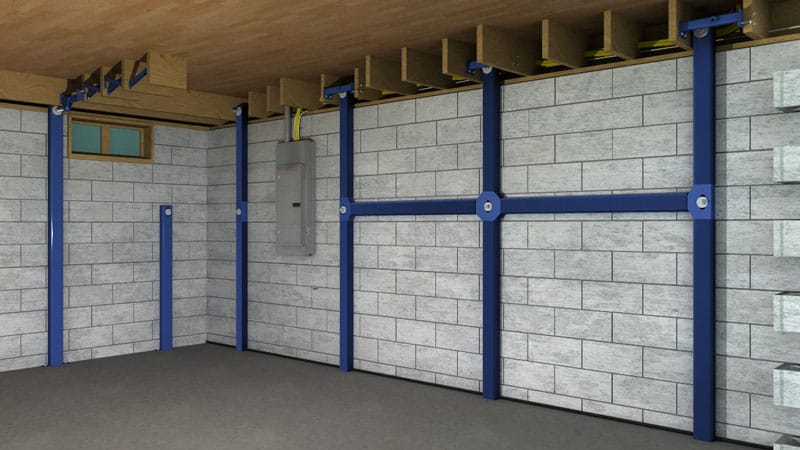
Vertical steel beams installed along the interior wall provide immediate stabilization. These beams transfer lateral pressure downward to the foundation footing, reinforcing the wall against further bowing.
This method is often used when excavation is not feasible due to landscaping or space limitations.
Exterior Excavation and Waterproofing
In some cases, removing soil pressure entirely is necessary. Excavating the exterior foundation wall allows contractors to install drainage systems and waterproof barriers. This reduces hydrostatic pressure and prevents future soil expansion from directly impacting the wall.
Reducing moisture is a critical component of long term structural stability.
The Role of Concrete Lifting in Structural Stability
While concrete lifting is commonly associated with sunken driveways or sidewalks, it can also play a role in overall foundation health.
When soil contracts unevenly beneath slabs, portions of the foundation may settle. This settlement can increase stress on basement walls, contributing to cracking and bowing.
Concrete lifting restores proper slab elevation by filling voids beneath settled sections. By re-establishing even support, it reduces uneven load distribution that may exacerbate structural movement.
In combination with wall stabilization systems, concrete lifting can enhance the long term effectiveness of foundation repairs.
Importance of Drainage and Moisture Control
Managing moisture is essential in preventing recurrence of bowing walls North Dakota conditions.
Homeowners should ensure:
- Yard grading slopes away from the foundation
• Downspouts extend several feet from the home
• Gutters are cleaned regularly
• Drainage systems function properly
Controlling water around the foundation reduces soil expansion and minimizes pressure on basement walls.
Preventive maintenance complements structural repairs and extends their lifespan.
Choosing the Right Repair Professional
Foundation repair requires technical expertise and an understanding of local soil behavior.
When selecting a contractor, look for:
- Experience with North Dakota soil conditions
• Detailed inspections and written estimates
• Clear explanation of repair methods
• Strong warranty coverage
• Positive customer feedback
A knowledgeable professional will recommend solutions tailored to the specific cause and severity of wall movement.
Avoid quick fixes that address symptoms without correcting underlying soil pressure.
Long Term Monitoring and Maintenance
Even after repairs are completed, periodic inspection remains important.
Homeowners should monitor:
- Crack width and pattern changes
• Wall alignment
• Signs of moisture intrusion
• Drainage performance after heavy precipitation
Early detection of new movement allows for prompt intervention before major damage occurs.
Bowing basement walls are a serious structural issue that many North Dakota homeowners encounter due to expansive clay soil, freeze-thaw cycles, and hydrostatic pressure.
Recognizing early warning signs and investing in appropriate long term repair solutions protects both safety and property value. Whether through wall anchors, reinforcement systems, improved drainage, or concrete lifting to restore proper support, effective repairs address the root causes of structural stress.
If you suspect bowing walls North Dakota conditions in your home, do not delay professional evaluation. A stable foundation is essential to the strength and longevity of your property.
With the right approach and proactive maintenance, homeowners can ensure lasting structural stability despite the challenging soil and climate conditions of North Dakota.

Comments are closed.