

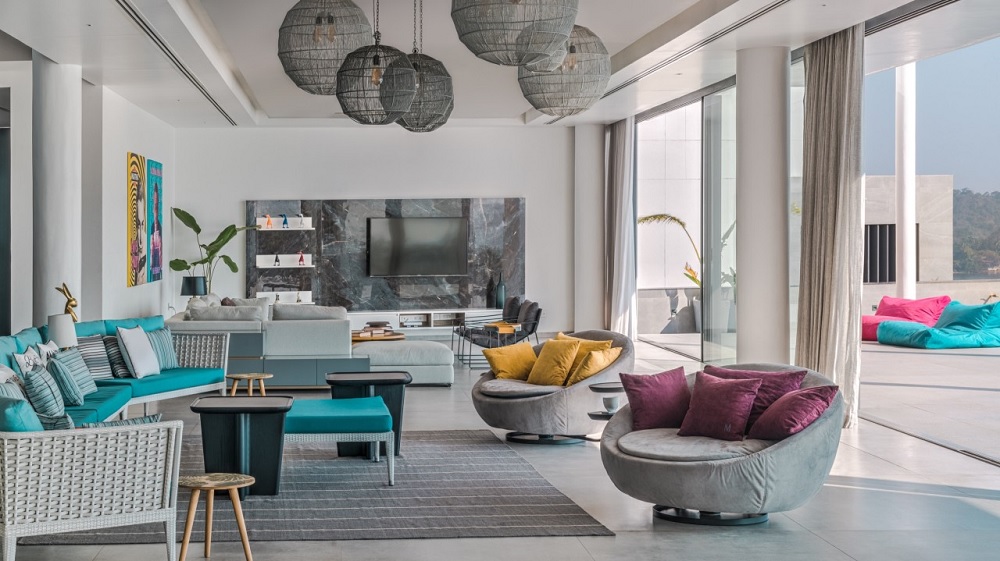
Open a real estate listing for a newly renovated home in Austin, Seattle, or suburban Chicago, and you might struggle to tell which city you are looking at. White walls, wide-plank European oak, matte black fixtures, and low-profile gray sectionals have become a default uniform across modern residential design. Clean lines and uncluttered layouts are genuinely appealing, yet when a space borrows exclusively from global design feeds, it often ends up feeling like an interchangeable boutique hotel rather than a home with a real pulse.
Regional cultural elements solve that flatness without forcing you to abandon contemporary comfort. Bringing local building materials, heritage craft traditions, and geography-driven color palettes into a streamlined room anchors the architecture to where it actually sits, or to the places that shaped the people living inside. When done with restraint, regional details turn a sleek interior into a space with warmth, memory, and unmistakable character.
Why Modern Interiors Benefit From a Sense of Place
Modern design grew out of a desire for simplicity, functional flow, and abundant natural light. Those strengths give you a calm, flexible foundation, yet minimalism taken too far strips away the visual cues that tell a human story. A room with zero historical or geographic friction can feel polished on day one and strangely forgettable a month later.
Vernacular architecture and regional crafts evolved for practical reasons long before they became aesthetic choices. Builders used local stone because quarrying it nearby made sense; weavers relied on plant dyes and wool harvested from surrounding hills; potters worked with regional clay bodies that fired into distinct hues. Introducing those traditions into a crisp modern shell creates productive contrast. Smooth drywall and expansive glass frames let hand-troweled plaster, woven textiles, or carved wood stand out sharply, allowing both the modern structure and the heritage element to look sharper than either would alone.
Ground the Architecture With Locally Rooted Materials
The most convincing way to weave regional identity into a modern home is through the materials built into the room itself. Because structural finishes occupy large surfaces, they establish a sense of place quietly before a single decorative object enters the space.
In the American Southwest, pairing sleek floor-to-ceiling windows and minimalist cabinetry with lime-washed plaster walls, terracotta floor tiles, or rough-sawn cedar beams connects the interior immediately to the desert landscape outside. Rather than relying on heavy dark furniture, the pale mineral texture of plaster softens bright afternoon glare while keeping the room airy.
In the Pacific Northwest, contemporary steel-and-glass homes gain instant warmth when grounded by vertical-grain Douglas fir millwork, honed basalt fireplace surrounds, or locally sourced river stone. Along the New England coast and throughout the Mid-Atlantic, soapstone countertops, reclaimed wide-plank oak, and painted wood beadboard bring historic regional craftsmanship into kitchens and mudrooms that still feature clean flush-inset cabinetry and modern appliances.
Even if your home sits in a newer subdivision without regional architectural bones, you can introduce material authenticity through targeted upgrades. Replacing a generic porcelain backsplash with handmade ceramic tiles, choosing honed local limestone for a hearth, or installing solid wood shelving milled from regional hardwoods introduces natural variation that factory-uniform finishes rarely replicate. The rule to keep in mind is material honesty: choose real stone, natural clay, and authentic timber rather than faux printed imitations that flatten under natural light.
Layer Regional Craft Through Textiles, Ceramics, and Art
Renters and homeowners working inside finished spaces do not need a renovation to bring regional personality into a room. Portable craft traditions carry rich cultural history and adapt easily as your layout evolves.
Heritage Textiles That Warm Clean Silhouettes
Handwoven textiles bring color, geometric rhythm, and tactile depth to modern furniture whose silhouettes are otherwise crisp and restrained. A hand-loomed wool rug from Oaxaca or the Navajo Nation immediately warms a concrete or hardwood floor beneath a sleek leather sofa. An Appalachian woven coverlet draped across the foot of a simple platform bed, a vintage indigo-dyed textile framed above a dining sideboard, or a Nordic flat-weave runner stretching down a bright hallway introduces pattern rooted in real lineage rather than mass-market trends.
To keep heritage textiles feeling fresh inside a contemporary room, give each piece visual space to breathe. Let one richly patterned rug or wall hanging act as the room’s clear focal point, supported by solid, textured fabrics in quiet tones nearby. Piling four competing cultural patterns onto the same sofa creates visual noise and obscures the artistry of every individual weave.
Functional Objects Made by Human Hands
Decorative souvenirs gathered solely to fill a shelf rarely add meaningful character. Functional craft pieces that earn daily use integrate far more naturally into modern living. Consider hand-thrown stoneware pitchers or dinnerware from regional ceramic traditions, such as North Carolina Seagrove pottery or earthy Japanese stoneware, displayed openly on floating kitchen shelves. In coastal Southern homes, woven sweetgrass baskets bring sculptural form and delicate scent to an entryway console while catching keys and mail.
Carved wooden bowls, hand-forged iron candleholders, and blown glass vessels carry subtle irregularities left by the maker’s hands. Set against razor-straight architectural edges, those small imperfections soften the room and remind guests that real people shaped the objects around them.
Let Regional Light and Landscape Guide Your Color Palette
Color looks completely different depending on latitude, weather patterns, and surrounding terrain. A cool gallery white that feels vibrant under bright southern California sunshine often reads bleak and chalky during overcast winters in Oregon or Michigan. Borrowing your palette from the local environment ensures that wall colors, upholstery, and accents harmonize with the exact quality of daylight coming through your windows.
Start by stepping outside and studying the muted tones that dominate your surroundings across the seasons. Arid high-desert settings naturally suggest sun-baked terracotta, muted ochre, dusty sage, and warm sandstone. Coastal Atlantic towns lend themselves to weathered cedar, foggy gray-blue, oyster shell white, and deep marsh green. Wooded northern regions pair effortlessly with mossy olive, warm bark brown, charcoal slate, and creamy wool tones.
Using a landscape-informed palette does not mean painting every room in literal nature shades. Even subtle shifts matter. Swapping a sterile blue-gray wall paint for a warm mineral putty, or choosing dining chairs upholstered in muted ochre wool instead of stark black, pulls the outdoors inward and keeps the interior feeling calm and intentional year-round.
Balance Cultural Character With Modern Restraint
The difference between a layered, personal interior and a heavy-handed themed room comes down to proportion and editing. Nobody wants a coastal home plastered with literal anchors and rope mirrors, or a mountain house crowded with oversized lodge clichés in every corner. Theme decor imitates a region on the surface; thoughtful cultural integration distills its materials, craft, and mood into modern form.
A reliable guideline for most rooms is the 70/30 balance. Let clean-lined modern architecture, tailored upholstery, and uncluttered negative space account for roughly 70 percent of the visual impression. Reserve the remaining 30 percent for regional materials, heritage textiles, handmade ceramics, local artwork, and antique or vintage wooden pieces. That proportion preserves the calm, breathable feel of contemporary design while ensuring the room feels unmistakably grounded.
Pay close attention to contrast and scale as well. Pairing an antique hand-carved wooden stool next to a sleek freestanding soaking tub feels sharp and deliberate. Hanging a large-scale painting by a regional landscape artist above a minimalist walnut credenza bridges old and new cleanly. Avoid clustering all your cultural pieces on a single wall or bookcase; distribute them across the room so the eye encounters warmth and story from every angle.
Source Authentically and Respect the Stories Behind Each Piece
Regional cultural elements only bring genuine depth when they reflect an honest connection, whether to the geography outside your front door, your family heritage, or places you have visited and come to appreciate deeply. Buying mass-produced copies of traditional patterns from big-box chains strips away both the quality and the cultural credit behind the work.
Whenever your budget allows, source directly from regional artisans, local studio tours, craft guilds, estate sales, and reputable fair-trade cooperatives that pay makers fairly and document where each piece originated. Buying a single hand-woven throw or locally thrown ceramic lamp directly from the artist brings far more lasting satisfaction than filling a shelf with inexpensive imitations.
Take a few minutes to learn the background of any traditional motif, craft, or artifact before bringing it home. Certain patterns or ceremonial objects carry deep spiritual or community significance and are not meant to be repurposed casually as casual living room props. Asking questions, crediting makers, and choosing pieces intentionally created for everyday domestic use keeps cultural appreciation grounded in respect rather than superficial borrowing.
Building a Room That Could Only Belong to You
The most memorable modern interiors rarely come together in a single weekend delivery. They take shape slowly, as clean architectural lines meet objects and materials tied to real places and skilled hands. If your space currently feels a little too polished or anonymous, resist the urge to overhaul everything at once. Start with one honest anchor: a rug woven in a regional tradition, a plaster finish on a single accent wall, or a cluster of ceramics shaped by a potter a few towns away. Over time, those grounded choices layer into a modern home that feels calm, personal, and genuinely rooted where you live.

Comments are closed.