

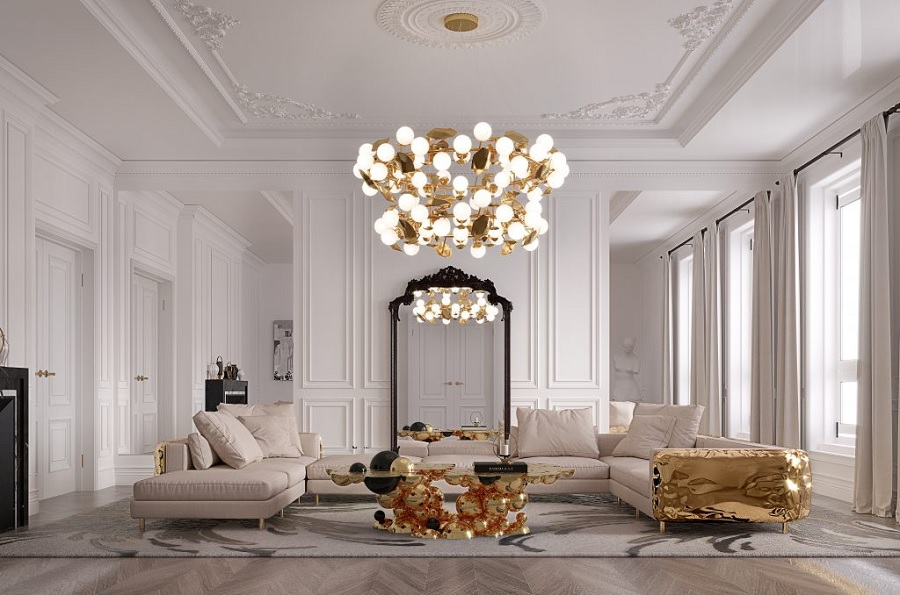
Buying a five-figure dining table or a custom bench-made sofa is a completely different experience from furnishing a first apartment. At the higher end of the market, you are rarely paying for utility alone. You are paying for materials that age gracefully, joinery that holds steady across decades of seasonal humidity shifts, and proportions that quietly anchor an entire room.
The catch is that a high price tag does not automatically guarantee heirloom construction. Plenty of showrooms charge luxury prices for trend-driven pieces built with average foam, stapled softwood frames, and delicate veneers that chip within a year. Approaching a major purchase like an informed buyer rather than an impulse shopper protects your budget and ensures the pieces you bring home earn their footprint for decades.
Look Beneath the Surface at Frame and Construction Quality
Before falling in love with a sculptural silhouette or a lush fabric swatch, ask how the piece is put together where you cannot see it. In quality furniture, the invisible details determine whether a piece still feels solid ten years from now or starts creaking after a few seasons of daily use.
Seating Frames, Springs, and Cushion Cores
For upholstered sofas, sectionals, and armchairs, start with the frame. The gold standard is kiln-dried hardwood, such as maple, alder, oak, or beech. Kiln drying pulls excess moisture from the lumber before milling, which keeps the frame from warping or splitting once it sits in a heated home. Look for corner blocks that are glued and screwed or dowelled into place, along with mortise-and-tenon joints rather than lightweight frames held together solely with staples.
Next, ask about the suspension system beneath the cushions. Eight-way hand-tied coil springs remain the traditional benchmark for deep, even support because each coil is tied to its neighbors in eight directions, distributing weight smoothly across the seat. That said, heavy-gauge sinuous springs are not automatically inferior. Many low-profile contemporary designs lack the deck height required for deep coil units, and tightly spaced steel sinuous springs with cross-wires can offer firm, long-lasting comfort when properly engineered.
Cushion fill deserves just as much scrutiny. High-resiliency foam cores wrapped in a down-and-feather jacket offer a practical middle ground: they feel soft when you sink in, yet they recover their shape without constant maintenance. All-down cushions feel cloud-like at first, though they flatten quickly and require daily fluffing to keep from looking sloppy. Low-density foam feels stiff on the showroom floor and breaks down fast under regular use.
Solid Wood Versus High-Grade Veneer
Case goods like dining tables, credenzas, and dressers call for a slightly more nuanced view of wood. Many shoppers assume solid wood is always superior to veneer, yet master cabinetmakers have used veneers for centuries for good reason. Large solid planks expand and contract significantly as indoor humidity fluctuates, which can lead to cupping or hairline splits over time.
When a luxury maker applies thick, book-matched hardwood veneer over a stable, high-grade plywood or solid lumber core, the piece stays flat while showcasing dramatic grain patterns that would be impossible or unstable in solid timber. What you want to avoid is paper-thin veneer glued over low-density particleboard, which chips at the edges and cannot be lightly sanded or refinished down the road. On drawers, check for dovetail joinery at the front and back corners, smooth full-extension glides, and finished interiors that will not snag clothing or linens.
Match Materials to How You Actually Live
A showroom looks pristine because nobody eats dinner, naps with a golden retriever, or opens a sunlit curtain next to the floor models. Before committing to a finish or textile, be honest about the daily wear your household generates.
With upholstery, check the fabric’s abrasion rating, typically measured in the United States by the Wyzenbeek double-rub test. Anything rated above 15,000 double rubs handles standard residential living, while 30,000 double rubs or higher makes sense for a primary family room sofa. Natural fibers like Belgian linen, wool bouclé, and cotton velvet bring rich tactile depth, though they vary widely in stain resistance. Today’s high-end performance textiles have come a long way from the stiff synthetic weaves of the past, offering soft hand-feel alongside genuine resistance to spills and fading.
If you are considering leather, learn the exact grade rather than accepting vague terms like “genuine leather.” Full-grain aniline leather represents the top tier of the hide, dyed all the way through without heavy surface pigments. It feels supple, breathes well, and develops a warm patina over time, though it will show scratches, sunlight shifts, and body oils. Semi-aniline leather adds a thin protective topcoat that resists staining while preserving most of the natural grain, making it a smart compromise for busy living spaces. Steer clear of bonded or heavily corrected leathers at luxury price points, as they peel rather than age.
Hard surfaces follow the same rule of patina versus perfection. Unsealed marble, travertine, and soapstone bring unmistakable character to a dining room or foyer, yet acidic spills like lemon juice, tomato sauce, or red wine will etch polished stone almost instantly. Choosing a honed finish hides minor etching far better than a mirror polish. Likewise, hand-rubbed oil finishes on walnut or oak are easy to touch up at home if a glass leaves a ring, whereas thick high-gloss lacquer looks striking until a single deep scratch requires professional refinishing.
Measure Both the Room and the Delivery Path
One of the most expensive mistakes luxury buyers make has nothing to do with craftsmanship. It happens because furniture always looks roughly 20 to 30 percent smaller under towering showroom ceilings than it does inside a home with standard 8- to 10-foot walls.
Before placing an order, map the piece’s exact footprint on your floor using painter’s tape or flat cardboard cutouts. Check how it interacts with surrounding circulation paths. Main walkways generally need 30 to 36 inches of clear passage so the room feels effortless to move through, while a coffee table typically sits 14 to 18 inches from the front edge of a sofa. Pay close attention to seat depth and height as well. A cavernous 44-inch-deep lounge sectional feels wonderful for curling up during a movie, yet shorter guests or older family members may find it uncomfortable for upright conversation.
Just as critical is measuring every inch between the delivery truck and the final room. Luxury furniture often ships fully assembled with solid frames that do not break down into flat boxes, and custom orders are almost always non-returnable once production begins. Measure front door widths, hallway turns, stairwell ceiling clearances, and elevator cab diagonals and door openings. If a sofa length exceeds an elevator height or a sharp second-floor landing leaves no room to pivot, even the finest craftsmanship turns into a logistical nightmare on delivery day.
Separate Enduring Design From Passing Trends
Spending heavily on a hyper-specific trend is a fast way to feel boxed in three years later. The smartest strategy is to allocate the bulk of your budget to architectural anchor pieces with balanced proportions, restrained lines, and versatile materials: your primary sofa, dining table, bed frame, and signature storage pieces.
Ask yourself two simple questions before signing off on a bold piece. First, will the silhouette still look coherent if you repaint the walls, swap the rug, or move into a different style of home five years from now? Second, is the piece built to be renewed? A well-proportioned hardwood sofa frame can be reupholstered fifteen years from now in a completely fresh textile, effectively giving you a brand-new centerpiece while keeping the core investment intact. Sculptural foam-molded chairs or novelty resin tables rarely offer that second life.
If you want to experiment with daring colors, dramatic curves, or unconventional finishes, channel that energy into accent chairs, side tables, lighting, or pillows. Keeping your highest-ticket items grounded gives the room staying power and preserves stronger resale value if your needs ever change.
Account for Lead Times, Maintenance, and True Ownership Costs
True luxury furniture rarely sits in a regional warehouse waiting for two-day shipping. Bench-made upholstery, custom-stained dining tables, and European imports routinely carry lead times ranging from 10 to 24 weeks, and specialty fabrics can extend that timeline further. Planning your purchases well ahead of a move or holiday gathering prevents the pressure of settling for a lesser floor sample simply because it is available right away.
Read the warranty documentation carefully before putting down a deposit. Many respected makers offer a limited lifetime warranty on frames and springs, yet limit cushion cores, mechanical recliners, and upholstery fabrics to one to five years. Clarify whether fabric pilling, natural wood movement, or fading from direct sunlight are excluded, and confirm how the brand handles repairs if a flaw appears after delivery.
Factor in ongoing care and environmental conditions as well. Direct afternoon sunlight through large south- or west-facing windows will bleach dyed fabrics and shift the tone of natural walnut and cherry over time, making UV-filtering window film or sheer drapery a worthwhile companion investment. In regions with dry winters, running a whole-home humidifier to keep indoor relative humidity steady around 40 to 50 percent protects solid hardwood tables and cabinetry from seasonal cracking.
Finally, budget for white-glove delivery, which includes bringing pieces inside, assembling them properly, placing them in position, and hauling away bulky crates and padding. Never rush the delivery crew out the door. Inspect corners, wood grain, stitching, and underside stability in good light before signing the acceptance paperwork, and document even minor scuffs immediately so claims can be resolved cleanly.
Making a Purchase You Will Still Love a Decade From Now
Whenever possible, test seating in person for more than thirty seconds. Sit the way you actually relax at home, lean back into the arms, and stand up again to feel how the cushions respond. Always bring fabric, leather, and wood finish samples back to your own room and look at them in bright morning daylight as well as under warm evening lamps, since showroom spotlights flatten undertones and disguise how dark a finish truly reads.
Take your time asking direct questions about joinery, origin, fill composition, and care requirements. A reputable manufacturer or dealer welcomes informed questions and provides clear answers without hedging. When craftsmanship, proportion, material durability, and daily comfort line up in one piece, luxury furniture stops feeling like an indulgence and becomes one of the most rewarding long-term upgrades you can make to your home.

Comments are closed.